


A Buyer's Guide to Custom Eco Friendly Packaging Cushioning
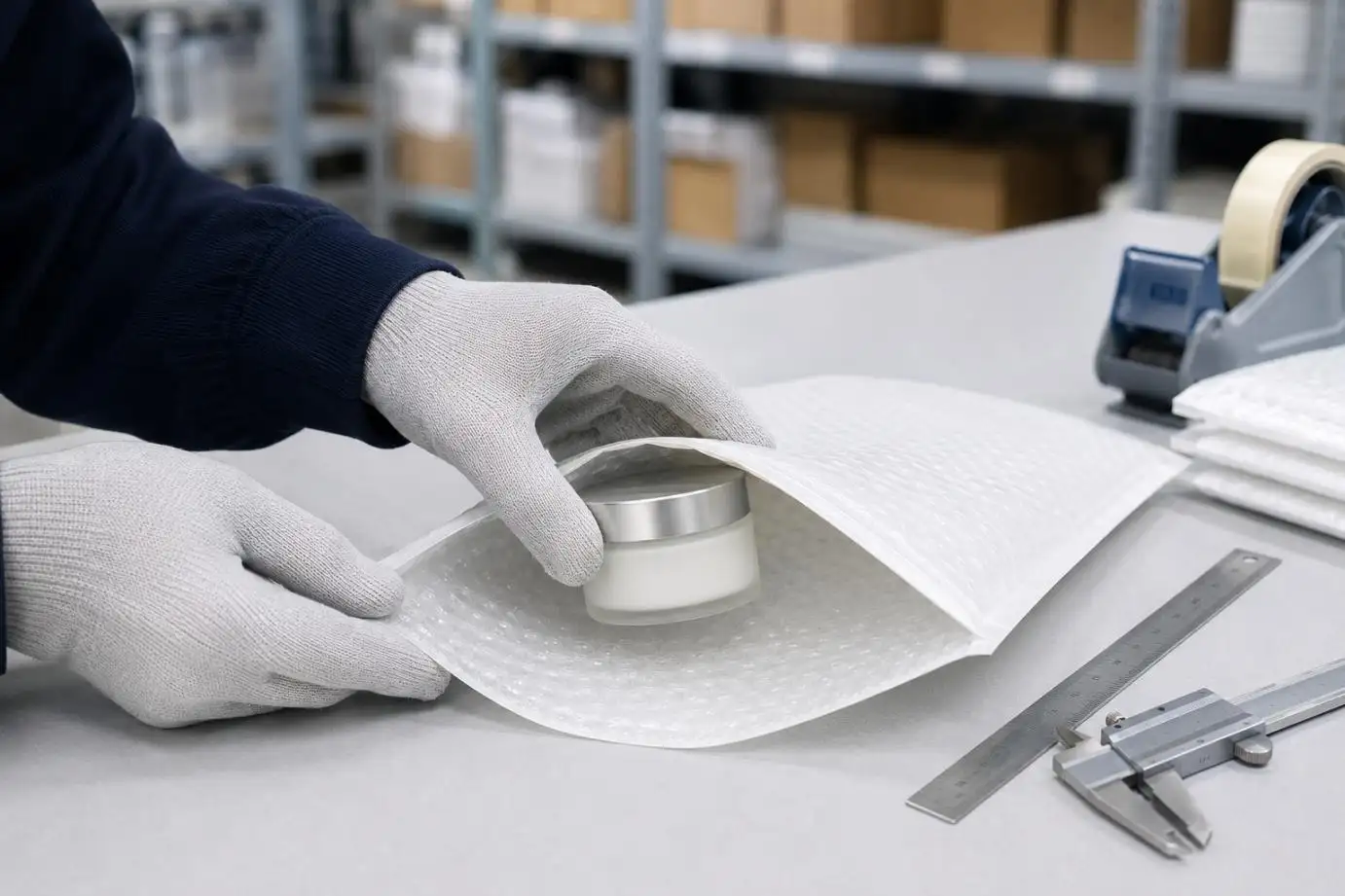
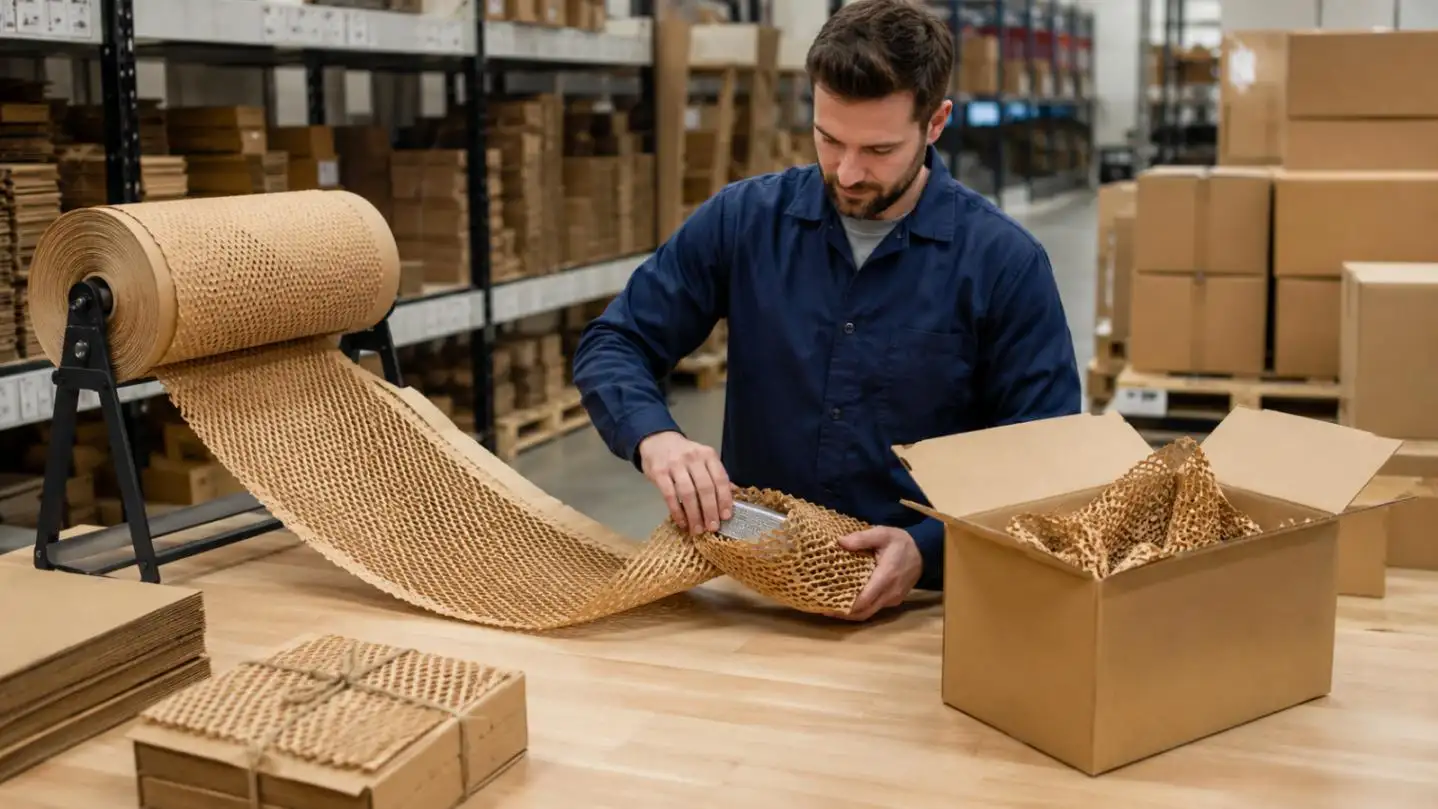
Selecting Eco Friendly Packaging Cushioning is an engineering and procurement decision—not simply a switch from plastic to paper. The cushioning material must control product movement, absorb handling shocks, fit the packing station and remain compatible with the intended recycling or composting route.

At GT GROUP, we approach each project by reviewing the product, carton and distribution environment as one packaging system. This helps buyers avoid two common problems: insufficient cushioning that leads to damage and excessive packaging that increases material use, labor and dimensional weight.
How Does Packaging Cushioning Function?
Shipping cartons perform many functions with the use of eco-friendly cushioning. These functions include:
• Wrapping: The cushioning material not only protects a product surface, but also acts as a barrier around the product and can be easily moved around the product.
• Void filling: Materials used to fill voids in shipping cartons reduce product movement and internal movement during shipment.
• Blocking and bracing: Cushioning materials used in void filling also remain in a particular position to hold and brace the product in such a way that movement of the product is restricted.
• Separation: Cushioning prevents contact between the product and the adjacent packing material.
• Shock attenuation: The cushioning material absorbs the peak impact force providing a level of protection to the product.
These functions are not interchangeable. Crinkle paper may fill decorative gift-box space, for example, but it should not automatically be specified as the primary protection for a heavy or highly fragile product.
Start With a Product Risk Profile
Before GT GROUP recommends a custom Eco Friendly Packaging Cushioning format, we encourage buyers to define the product risk profile.
Product Characteristics
Evaluate:
• Packed product weight
• Center of gravity
• Fragility and replacement value
• Sharp edges or protruding components
• Surface sensitivity
• Product-to-carton clearance
• Single-item or multi-item packing
• Moisture sensitivity
A lightweight accessory may only require movement control. Glassware, ceramics and coated products often need wrapping plus void filling. Heavy industrial components may require corrugated blocking or a fitted insert in addition to paper cushioning.
Distribution Conditions
The same product may need different protection for local retail delivery and international parcel shipping. Consider:
• Number of handling and transfer points
• Parcel or palletized distribution
• Expected stacking load
• Temperature and humidity exposure
• Transport distance
• Courier sorting and conveyor handling
• Return-shipping requirements
Long routes and parcel networks generally increase exposure to drops, vibration and compression. The packaging specification should reflect that risk rather than relying on a standard amount of paper for every order.

Comparing Eco Friendly Packaging Cushioning Formats
GT GROUP supplies paper-based cushioning formats for wrapping, filling and protective packing. The correct choice depends on the required function.
| Material format | Main function | Suitable applications | Technical limitation |
| Honeycomb paper wrap | Surface wrapping, separation and light shock protection | Glassware, ceramics, gifts and crafts | May need additional blocking for heavy products |
| Kraft cushioning paper | Void filling and product stabilization | E-commerce orders, boxed goods and components | Consumption rises when cartons are oversized |
| Crinkle paper | Decorative filling and light movement control | Cosmetics, gift boxes and accessories | Limited performance under severe impact |
| Corrugated inserts | Blocking, separation and edge support | Multipacks and industrial parts | Requires accurate structural dimensions |
| Molded fiber | Repeatable positioning and fitted protection | Bottles, electronics and standardized products | Tooling and minimum-volume requirements may apply |
For mixed-risk products, a combined system is often more effective. Honeycomb paper can protect the surface, while crumpled kraft paper controls movement between the wrapped product and the outer carton.
Specify the Material, Not Just the Product Name
The term Eco Friendly Packaging Cushioning does not define its protective performance. Buyers should specify measurable material and converting requirements.
Important Customization Parameters
• Paper type and basis weight
• Virgin or recycled fiber content
• Roll width and roll length
• Honeycomb cell geometry
• Expanded paper width
• Finished cushioning thickness
• Puncture and tear resistance
• Perforation or tear-off format
• Core diameter
• Roll weight
• Packing quantity per export carton
• Manual or equipment-assisted dispensing
At GT GROUP, OEM and ODM projects can be developed around custom sizes, materials and packing configurations. Matching roll dimensions to the workstation also matters: an unsuitable roll may increase changeover frequency, operator fatigue and material waste even when the paper itself performs well.
Control Cushioning Density and Carton Space
Using more paper does not always improve protection. Excessive filling can increase packing time and force buyers into larger cartons. Insufficient filling leaves the product free to accelerate before hitting the carton wall.
A properly packed carton should meet three conditions:
- The product does not shift significantly when the closed package is moved.
- Fragile surfaces and corners remain separated from the outer carton.
- The cushioning retains useful thickness after expected compression.
Warning signs of an inefficient design include:
• Paper fully compressed around heavy items
• Large unfilled channels beside the product
• Direct product-to-box contact
• Excessive carton bulging
• Different operators using widely different material quantities
• Large boxes selected mainly to simplify packing
GT GROUP recommends evaluating the carton size and cushioning together. Right-sizing frequently produces better results than compensating for an oversized box with additional void fill.
Verify Environmental Claims Carefully
Recyclable, biodegradable and compostable describe different end-of-life pathways.
| Claim | What it means | What buyers should confirm |
| Recyclable | Can be collected and processed into new material | Local collection acceptance and material composition |
| Biodegradable | Breaks down under defined biological conditions | Test method, environment and timeframe |
| Compostable | Meets decomposition requirements under specified conditions | Home or industrial composting route |
| Recycled content | Contains recovered fiber or other recycled input | Content percentage and supporting evidence |
| Plastic-free | Contains no conventional plastic component | Coatings, laminates, adhesives and labels |
Paper-based Eco Friendly Packaging Cushioning may simplify disposal where established paper-recycling streams exist, but buyers should still verify coatings, adhesives and regional acceptance. GT GROUP advises customers to request documentation appropriate to their destination market rather than relying on vague “green” terminology.
Test the Complete Packaging System
A paper sample may look strong but still perform poorly in an incorrectly sized carton. Testing should cover the product, cushioning, inserts, closure and outer box as a complete unit.
Useful validation methods include:
• Drop testing: ASTM D5276 or an appropriate ISTA sequence
• Random vibration testing: ASTM D4728 or distribution-specific testing
• Compression testing: ASTM D642 for stacking and warehouse loads
• Abrasion inspection: Checks damage to polished or printed surfaces
• Trial shipments: Confirms performance through the actual logistics route
After testing, inspect product movement, surface damage, cushioning compression, carton deformation and material displacement. GT GROUP can provide blank samples for packing evaluation before bulk production; customers cover the international sample freight.
Compare Total Cost per Shipped Order
The lowest roll price does not necessarily produce the lowest packaging cost.
Total Packaging Cost = Material + Packing Labor + Freight Impact + Storage + Expected Damage Cost
A useful supplier comparison should therefore include:
• Material consumption per carton
• Average packing time
• Packed weight and dimensional weight
• Storage space per roll
• Damage and return rate
• Production consistency
• Customization capability
• Sample and quality-control support
Develop a Better Cushioning Specification
Effective Eco Friendly Packaging Cushioning balances protection, material efficiency, packing speed, logistics cost and credible end-of-life claims. The process should begin with the product risk profile, continue through material and carton optimization, and finish with testing under representative distribution conditions.
For businesses replacing plastic void fill or developing packaging for a new product, GT GROUP can review product dimensions, carton clearance and packing requirements, then recommend suitable paper cushioning formats or samples for practical evaluation.
FAQs
Q1. What Eco Friendly Packaging Cushioning does GT GROUP offer?
GT GROUP supplies paper-based cushioning solutions, including kraft cushioning paper, honeycomb paper rolls and recyclable paper wrap for void filling, product wrapping and separation.
Q2. Can GT GROUP customize paper cushioning specifications?
Yes. GT GROUP supports OEM and ODM customization involving paper material, basis weight, roll width, roll length, core size, cushioning structure, color and export packaging.
Q3. How does GT GROUP recommend a suitable cushioning material?
Customers should provide the product's dimensions, weight, fragility, surface requirements, carton size, packing method and distribution route. GT GROUP uses this information to recommend a suitable structure and roll specification.
Q4. Can I request samples before placing a bulk order?
Yes. Blank samples are available for material inspection and packing trials. Customers are generally responsible for the international sample shipping cost.
Q5. Can GT GROUP's paper cushioning replace plastic bubble wrap?
It can replace plastic cushioning in many wrapping and void-filling applications. However, suitability depends on product weight, fragility and shipping conditions, so complete package testing is recommended.
Share on Social:


